
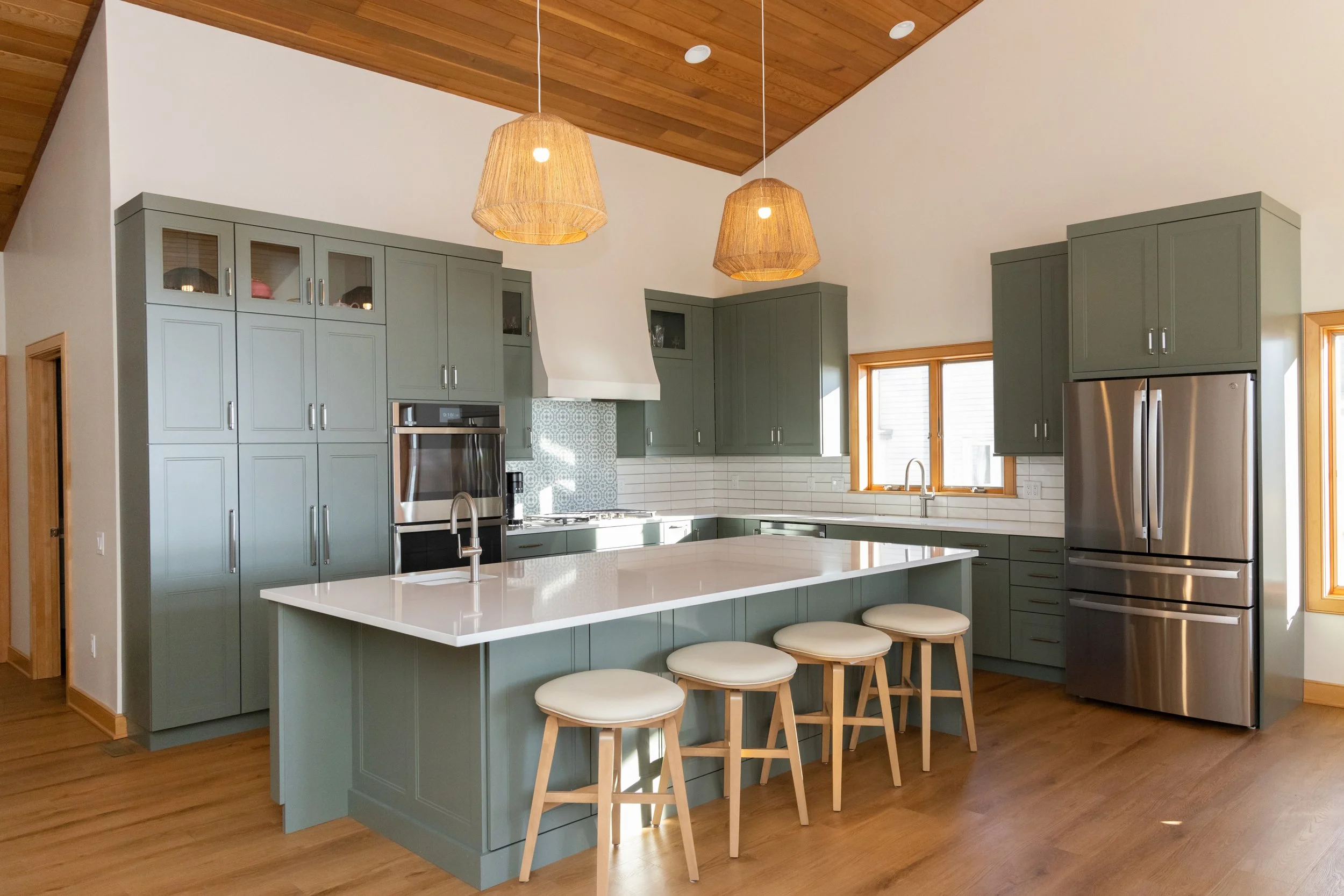
You have the lot. You have ideas saved on your phone. Maybe you've even started picturing where the kitchen table will go.
Then someone asks, "So, when do you want to start building?"
And suddenly, it gets real.
Building a custom home is exciting, but it is also a big process. It can be hard to know what happens first, what happens next, and what you are actually paying for.
The good news is that custom home building follows a fairly clear path. Knowing what to expect can make the process less overwhelming.
What Is Included in a Custom Home Build?
A custom home is more than the finished rooms you see at the end. Before you walk through your new front door, there is a lot happening behind the scenes.
Custom home construction typically includes:
Designing the home
Developing plans and getting permits
Preparing the site
Building the home
Adding finishes and completing final inspections
So who brings it all together?
Who Does What During a Custom Home Build?
Building a custom home takes a team.
You, the Homeowner: You bring the vision and make decisions about the layout, finishes, fixtures, and other details.
The Custom Home Builder: The builder coordinates the work from start to finish, including the schedule, trades, and day-to-day construction.
The Architect or Designer: They turn your ideas into plans that can be built while considering your property and how you plan to use the space.
The Specialized Trades: Electricians, plumbers, heating and cooling contractors, carpenters, painters, and others handle the hands-on work.
The Custom Home Building Process
Now let's look at how those pieces come together. Most custom homes follow a similar path.
1. Start With How You Live
The best custom homes don't start with a floor plan. They start with the people who will live there.
How do you use your kitchen? Where do backpacks and muddy shoes end up? Do you need a quiet place to work?
These types of questions help shape the design and establish your budget
2. Prepare the Site
Once the plans and permits are ready, the work moves to the property.
The site is prepared, the home is laid out, and excavation begins. Soil conditions, drainage, elevation, utilities, and access can all affect the work.
Two lots that look similar from the road can require very different approaches once construction begins.
Then comes the structure, and the house starts to take shape.
3. Watch the House Take Shape
Once the foundation is in place, the walls, floors, and roof are built. This is called framing, and it's one of the most exciting parts of new home construction because, for the first time, you can walk through the rooms and understand the space.
After the basic structure is in place, the plumbing, electrical, and heating and cooling systems are installed.
Then drywall is added to cover the structure, and the finishing work begins. Cabinets are installed. Flooring, tile, trim, countertops, lighting, and plumbing fixtures follow. All those drawings and decisions from the beginning of the project finally start making sense.
Then come the final inspections, adjustments, and details that bring the project across the finish line.
How Long Does Custom Home Construction Take?
The next question is, "How long will it take?"
A smaller home with a straightforward design could take as little as three months, while a large, highly detailed home on a challenging lot could take a year or more. Permits, weather, materials, site conditions, and design changes can also affect the timeline.
A good custom home builder will help set realistic expectations from the beginning.
The Part Homeowners Don't Always See
When you walk through a finished home, it's easy to focus on what you can see. But some of the most important work is happening behind the walls.
The framing, plumbing, electrical work, and other details may not make for the most exciting photos. But they are a big part of what makes a home work the way it should for years to come.
That's really the point of custom home building.
You're not simply choosing finishes for a house. You're creating a home around the way you live.
Understanding the process before you begin can help you make better decisions and avoid unnecessary surprises. If you're considering building a custom home in Madison or Dane County, start by asking questions.
